

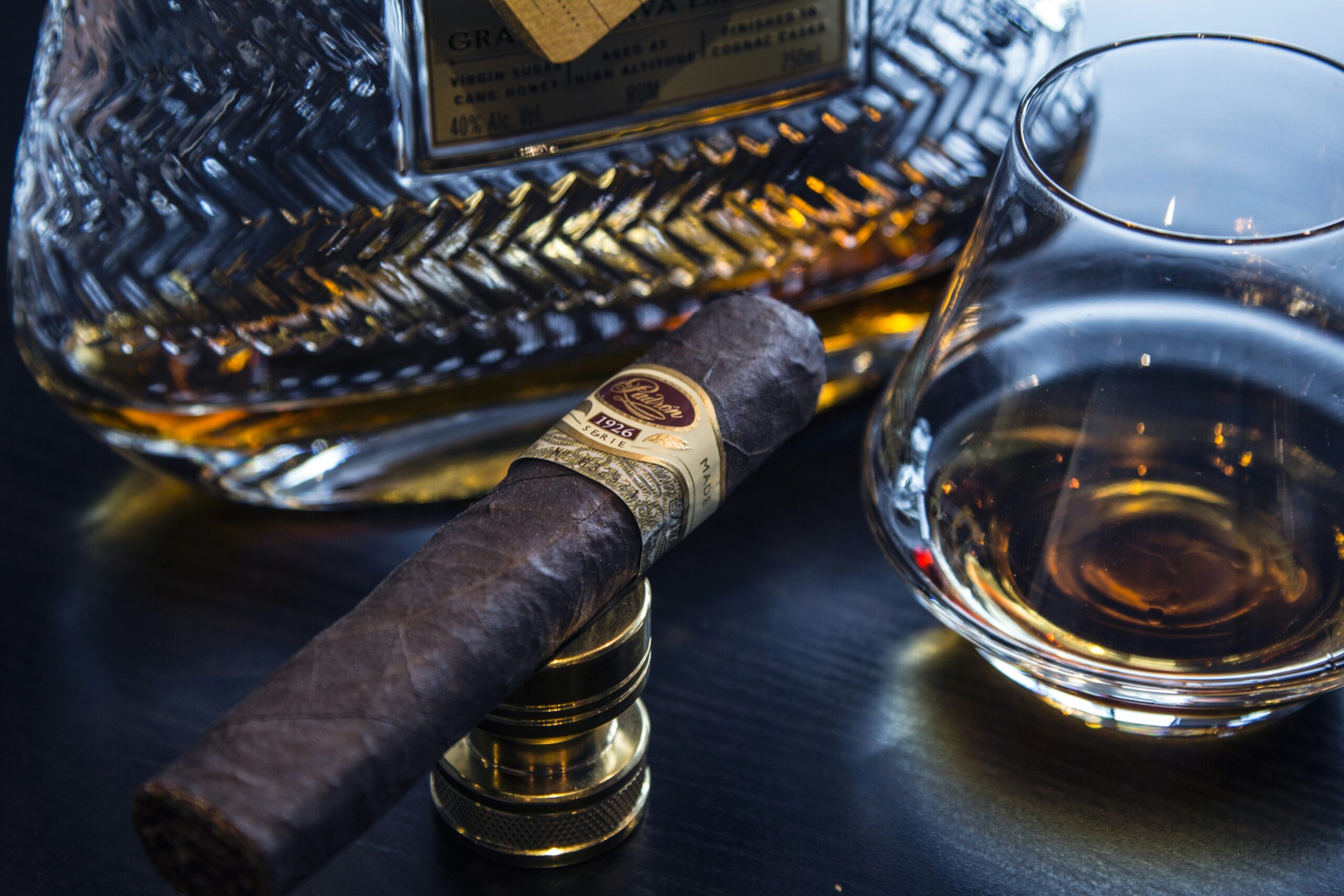
Cigar Basics Explained: Understanding Wrappers, Construction, and the Art of Enjoying a Good Cigar
Cigars occupy a strange place in modern culture. They appear in films as symbols of celebration and reflection. They sit behind glass in humidors at smoke shops, arranged like small works of craftsmanship. Yet for many people who are curious about them, the barrier to entry is not price or availability — it is knowledge. What actually makes a cigar good? Why do some cost five dollars and others fifty? What is the difference between a wrapper and a filler, and does it really matter? How is a cigar supposed to be smoked, and what separates a pleasant experience from a harsh one?
These questions are not trivial. Cigars are one of the few consumer products where craft, agriculture, patience, and personal technique all intersect. A cigar is not simply a rolled leaf of tobacco. It is the end product of a growing season, a curing process, a fermentation period, the skill of a roller, and the judgement of whoever selected the blend. Understanding even the basic structure of a cigar changes how you experience it — the way understanding wine changes how you taste it.
This guide is written for readers who want a genuine, ground-level understanding of cigars. It is not a ranking of brands or a shopping list. It is an explanation of what a cigar is, how it is built, what the different parts do, how to choose one, how to store it, how to smoke it properly, and how to develop a palate for it over time. Whether you are walking into a smoke shop for the first time or trying to make sense of a humidor you inherited, this is meant to be a starting point that respects your intelligence.
What a Cigar Actually Is
At its most basic, a cigar is a bundle of cured and fermented tobacco leaves rolled into a cylindrical shape and wrapped in a single outer leaf. That definition, however, hides almost everything that matters.
Tobacco used in cigars is not the same as the tobacco used in cigarettes. Cigar tobacco is typically air-cured or sun-cured rather than flue-cured, which gives it different chemical characteristics and a very different flavor profile. It is also fermented, sometimes for months or even years, which reduces harshness, develops complexity, and stabilizes the leaf. This fermentation stage is one of the defining features of cigar tobacco and one of the reasons premium cigars cost what they do.
A cigar is made from three structural components: the filler, the binder, and the wrapper. Each plays a distinct role, and each contributes to how the cigar looks, tastes, burns, and smells.
The Filler: The Heart of the Cigar
The filler is the tobacco that forms the core of the cigar. It is made up of multiple leaves, usually from different parts of the tobacco plant and often from different regions, chosen to create a specific blend. The filler determines the cigar’s strength, body, and much of its flavor.
Tobacco leaves are harvested from different positions on the stalk, and each position produces leaves with different characteristics. Leaves near the bottom of the plant, often called seco, tend to be lighter and used for aroma and subtlety. Leaves in the middle, called viso, contribute flavor and a moderate body. Leaves near the top, called ligero, are the strongest and most full-bodied, providing nicotine strength and depth. A skilled blender combines these leaves in specific proportions to achieve a target profile.
There is also a fourth category sometimes used, called volado, which comes from the lowest leaves. Volado is chosen primarily for its combustion qualities — it helps a cigar burn evenly — rather than for flavor. Its inclusion is a reminder that a cigar is a functional object, not just a flavor delivery system.
The way the filler is arranged matters too. In a long-filler cigar, whole leaves are folded lengthwise and arranged carefully so the cigar draws properly. In a short-filler cigar, cut pieces of leaf are used, which is cheaper and faster but generally produces a less refined experience. A well-made long-filler cigar is a marker of quality, and most premium cigars fall into this category.
The Binder: The Structural Layer
The binder is a leaf that holds the filler together. It sits underneath the wrapper and is usually made from a stronger, more elastic tobacco leaf because it needs to stretch around the filler without tearing. The binder is often the same type of tobacco as the filler, though not always from the same region.
The binder does contribute to flavor, but its primary function is structural. A poor binder can cause a cigar to draw unevenly, burn poorly, or fall apart. When you see a cigar with a smooth, even shape and no soft spots, the binder and the rolling technique behind it are part of the reason.
The Wrapper: The Visible Leaf
The wrapper is the outermost leaf, and it is the part most consumers notice first. It is also the most expensive component of the cigar, often accounting for a significant portion of the total cost. Wrapper leaves must be grown under careful conditions, often under shade cloth, so they develop thin, elastic, and unblemished leaves suitable for wrapping. Damaged or thick wrapper leaves are not used on premium cigars.
Because the wrapper is in direct contact with your lips and is the first thing to combust, it has a major influence on the flavor and aroma of the cigar. A common misconception is that the wrapper determines everything; that is not true, but it is significant. Wrapper leaves contribute specific notes — pepper, cream, cocoa, leather, cedar, sweetness — and they set the tone for the experience.
Wrappers are commonly described by their color, which hints at flavor and strength. A general guide:
Double Claro (Candela) — a pale, greenish wrapper. Light, mild, grassy notes.
Claro — light tan. Mild, sometimes slightly sweet.
Colorado Claro — medium brown. Balanced, with a mix of sweetness and spice.
Colorado — reddish brown. Richer, more pronounced flavor.
Colorado Maduro — dark brown. Fuller body, cocoa and coffee notes.
Maduro — very dark, almost black. Sweet, rich, often described as chocolate or molasses.
Oscuro — the darkest, typically very strong and full-bodied.
Wrapper color is a useful shorthand, not a strict rule. Two maduro cigars from different regions can taste completely different. Origin matters as much as color.
Where Cigars Come From
Cigar tobacco is grown in a handful of regions around the world, each with its own climate, soil, and tradition. The most well-known include Cuba, the Dominican Republic, Nicaragua, Honduras, Mexico, and parts of the United States such as Connecticut. Each region has a reputation — Cuban tobacco is famously complex but legally restricted in the United States; Nicaraguan tobacco is often associated with strength and spice; Dominican tobacco is often described as smoother and more elegant; Connecticut shade tobacco is prized for its creamy, mild wrapper.
Blending across regions is common, and many premium cigars use tobacco from two, three, or even four countries in a single stick. This is not a compromise — it is a deliberate craft decision, and understanding where the leaves come from helps explain why a cigar tastes the way it does.
Sizes and Shapes
Cigars come in a range of shapes, called vitolas. The two dimensions that matter most are length and ring gauge, which is the diameter of the cigar expressed in 64ths of an inch. A cigar with a 50 ring gauge is 50/64ths of an inch in diameter.
Common vitolas include:
Robusto — roughly 5 inches long with a 50 ring gauge. A popular size, moderate in length, good for a 45–60 minute smoke.
Toro — around 6 inches with a 50 ring gauge. Slightly longer than a robusto.
Churchill — around 7 inches with a 47–50 ring gauge. Long, classic, often a 90-minute smoke.
Corona — around 5.5 inches with a 42 ring gauge. Traditionally one of the most balanced sizes.
Lonsdale — slightly longer and thinner than a corona.
Torpedo — tapered at the head, which concentrates the draw.
Belicoso — similar to a torpedo with a shorter taper.
Petit Corona — shorter, around 4.5 inches, ideal for a shorter session.
Size affects more than duration. A larger ring gauge typically produces a cooler, more complex smoke because more tobacco is burning at once. A thinner cigar tends to burn hotter and deliver more concentrated flavor. Neither is inherently better — it depends on what you are looking for.
How to Choose a First Cigar
If you are new to cigars, the goal is not to find the “best” one. It is to find one that helps you understand what you like. A few general principles:
Start with a medium-bodied cigar rather than the strongest or the mildest. Full-bodied cigars can overwhelm a new palate; very mild cigars can taste like nothing. Medium-bodied cigars tend to have enough character to be interesting without being punishing.
Choose a robusto or corona size. These are moderate in length and forgiving in draw. Very large cigars can be difficult to finish, and very small cigars can burn hot.
Ask the person at the shop for guidance. A good smoke shop is not trying to upsell you on the most expensive cigar. They are trying to help you find something you will enjoy, because a customer who enjoys their first cigar comes back. If you explain that you are new and want something medium-bodied and approachable, a knowledgeable shop employee will point you in the right direction.
Ignore price as a first filter. There are excellent cigars at moderate prices and mediocre cigars at high ones. Price reflects a mix of factors — aging, rarity, brand prestige, wrapper quality — and not all of those translate into a better experience for a beginner.
Cutting, Lighting, and Smoking
How you cut and light a cigar affects the entire experience. These are simple techniques, but they are easy to get wrong.
Cutting. The goal is to open the head of the cigar — the end that goes in your mouth — without removing too much. Three common tools are the guillotine cutter, the punch cutter, and the V-cutter. A guillotine cutter is the most versatile. Remove roughly the top 1/16th to 1/8th of an inch, cutting just above where the cap meets the body of the cigar. Cut too little and the draw will be tight. Cut too much and the wrapper may unravel.
Lighting. The traditional method uses a wooden match or a butane lighter — never a standard lighter or a candle, which impart chemicals. Toast the foot of the cigar by holding it slightly above the flame and rotating it, so the tobacco warms and begins to char evenly. Then bring the flame to the foot and draw gently while continuing to rotate, until the entire foot is evenly lit. Blow gently on the lit end to check for an even burn.
Smoking. Cigars are not inhaled the way cigarettes are. The smoke is drawn into the mouth, held briefly, and released. Inhaling is uncomfortable, unnecessary, and increases health risk. Draw slowly — roughly once every 30 to 60 seconds. Drawing too frequently causes the cigar to burn hot, which makes the smoke harsh and bitter.
Ashing. Do not tap the ash off like a cigarette. Cigars produce a firm ash that falls on its own. Leaving the ash in place helps regulate the burn temperature.
Finishing. When the cigar becomes hot or bitter, it is finished. Do not stub it out — let it rest in the ashtray and go out on its own. A cigar that has been smoked past its point will taste acrid, and smoking further will not improve it.
Storage and Humidor Basics
Cigars are sensitive to humidity and temperature. If they dry out, they lose oils and become harsh and brittle. If they absorb too much moisture, they become difficult to draw and prone to mold.
The target humidity for cigar storage is roughly 65–70% relative humidity, and the target temperature is generally in the range of 65–70°F. A humidor is a controlled environment designed to maintain these conditions.
A basic humidor setup involves three things: a container with a tight seal, a humidification device, and a hygrometer to monitor conditions. Wooden humidors lined with Spanish cedar are traditional because cedar helps regulate humidity and imparts a subtle aroma. Humidification devices range from simple sponge-based units to gel jars to electronic humidifiers. A digital hygrometer is more accurate than an analog one and worth the small extra cost.
Seasoning a new humidor — slowly introducing humidity before storing cigars — is an important step that is often skipped by beginners. A properly seasoned humidor maintains stable conditions; an unseasoned one will absorb all the humidity and leave your cigars dry.
If you are not ready to invest in a humidor, a well-sealed Tupperware container with a Boveda humidity pack is a reliable short-term solution used by many experienced smokers.
Developing a Palate
Flavor in cigars is not a mystery, but it does take practice. Most people do not taste leather or cocoa immediately. What they taste is pleasant or unpleasant, hot or smooth, harsh or mellow. That is fine. The vocabulary develops over time.
A few simple practices help:
Try a few different wrappers side by side. The difference between a Connecticut shade and a maduro is dramatic and easy to notice once you are looking for it.
Smoke slowly. Flavor registers when the smoke is cool. Hot smoke drowns out subtlety.
Notice the retrohale. Releasing a small amount of smoke through the nose brings out aromas the mouth alone cannot detect. It is not for beginners and should be done carefully, but it is where a lot of a cigar’s character lives.
Keep notes. Even a few words about each cigar you smoke — wrapper, size, strength, what you tasted, whether you would smoke it again — builds a mental map that makes future choices easier.
Common Misconceptions
A few ideas get in the way of enjoying cigars.
Bigger is not better. A robusto smoked well beats a Churchill smoked badly every time.
Stronger is not more sophisticated. Strength and flavor are different things. A mild cigar can be complex; a strong cigar can be flat.
Expensive does not always mean better for you. Palate is personal. A $30 cigar that you dislike is worse than a $10 cigar you love.
Wrapper color is a guide, not a rule. A maduro is not always stronger than a Colorado. Origin and blend matter more than shade.
Cigars do not need to be “finished” to be respected. Smoking half a cigar and setting it down is fine. The hobby is about enjoyment, not endurance.
A Note on Health
Cigars, like all tobacco products, carry significant health risks. Cigar smoke contains nicotine and other compounds associated with addiction and disease, and there is no safe form of tobacco use. Even without inhaling, cigar smoking carries risks, including oral and throat cancers, cardiovascular effects, and nicotine dependence.
This article is educational. It is not intended to encourage anyone to begin using tobacco. Readers who already smoke cigars should be aware of the risks, avoid inhaling, and speak with a healthcare professional about their health. Nothing here is medical advice.
Final Thoughts
Understanding cigars is not about memorizing brand names or chasing the most expensive stick in the humidor. It is about knowing what you are holding — a small, hand-made object with a specific structure, a specific origin, and a specific purpose. Once you understand the wrapper, the filler, the binder, the size, and the technique, the entire experience becomes clearer. You notice why one cigar draws better than another. You notice why some burn evenly and some do not. You notice flavors you missed before.
Cigars reward attention. They are slower, quieter, and more deliberate than most modern pleasures, and that is part of their appeal. If you are new to them, take your time. Start with something medium-bodied. Learn to cut and light properly. Store what you buy. Ask questions. Smoke slowly. The rest, as with most things worth learning, comes with time.
Author Bio:
Lois Howell writes for Express Smoke Shop Drive Thru, covering cigars, tobacco culture, smoking accessories, and drive-thru convenience guides.